Viral Vibe News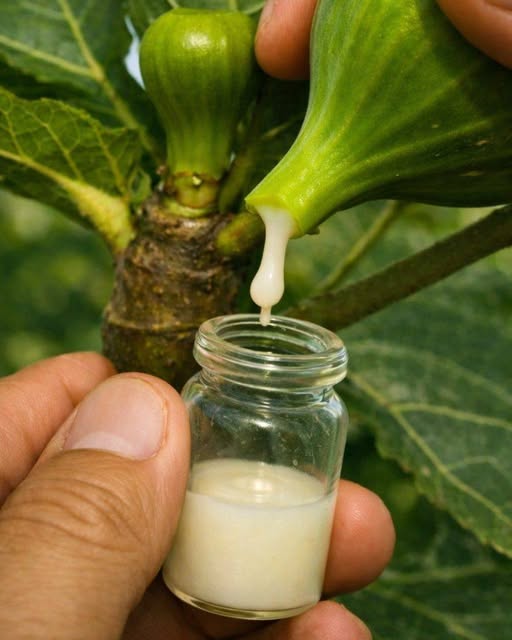

Nature often hides powerful remedies in the most unexpected places. One such hidden treasure comes from the humble fig tree. When a fig leaf, branch, or unripe fruit is broken, a white milky liquid flows out—known as fig sap or fig latex. For centuries, this natural substance has been used in traditional medicine for skin care, minor infections, and other wellness purposes.
Many people are surprised to learn that this simple liquid, often ignored or wiped away, may contain a range of bioactive compounds with potential health benefits. Let’s explore why some people carefully collect this sap in a small bottle and how it has been traditionally used.
What Is Fig Sap?
Fig sap is the white, milky latex released from the fig tree (Ficus carica) when its leaves, stems, or fruits are cut. This sap contains a mixture of enzymes, proteins, and natural compounds such as phenolics and coumarins that give it unique biological properties.
Researchers have found that fig latex includes enzymes like ficin, which help break down proteins and may contribute to its antimicrobial and healing properties.
Traditionally, the sap has been applied externally as a natural remedy for certain skin conditions or minor wounds.
A Traditional Remedy With Ancient Roots
The use of fig sap dates back thousands of years. Ancient Mediterranean cultures used different parts of the fig tree for medicinal purposes. Historical records show that the sap was applied to warts, sores, and skin infections, while the fruit and leaves were used internally for digestive support.
Traditional herbal medicine in many regions considered the fig tree a versatile healing plant. Its leaves, fruit, and latex were believed to help with a variety of health issues—from digestive problems to skin irritation.
1. Natural Wart and Skin Growth Remedy
One of the most common traditional uses of fig sap is for removing warts or small skin growths.
The enzymes and proteolytic compounds in the sap may help break down the keratin that forms warts, gradually reducing them over time.
Many traditional remedies involve applying a tiny drop of fresh sap directly to the wart daily until it shrinks.
Because of these properties, fig latex has also been used for:
Skin tags
Calluses
Minor skin lesions
However, this remedy should be used carefully because the sap can irritate sensitive skin.
2. Antibacterial and Antimicrobial Properties
Another interesting feature of fig sap is its potential antimicrobial activity.
Studies indicate that compounds in fig latex may help inhibit the growth of certain bacteria and microorganisms.
This is one reason why it has historically been used on:
Small wounds
Minor skin infections
Fungal skin conditions such as ringworm
While these uses are based largely on traditional knowledge, modern research continues to explore the antimicrobial potential of fig latex.
3. Anti-Inflammatory Effects
Some herbal traditions use fig sap for reducing inflammation and soothing irritated skin.
Natural enzymes and plant compounds found in the sap may contribute to anti-inflammatory effects, which can help calm swelling or minor injuries.
This has led to its occasional use for:
Insect bites
Minor cuts
Localized swelling
Again, caution is important because the sap can cause irritation in some people.
4. Potential Antioxidant and Bioactive Compounds